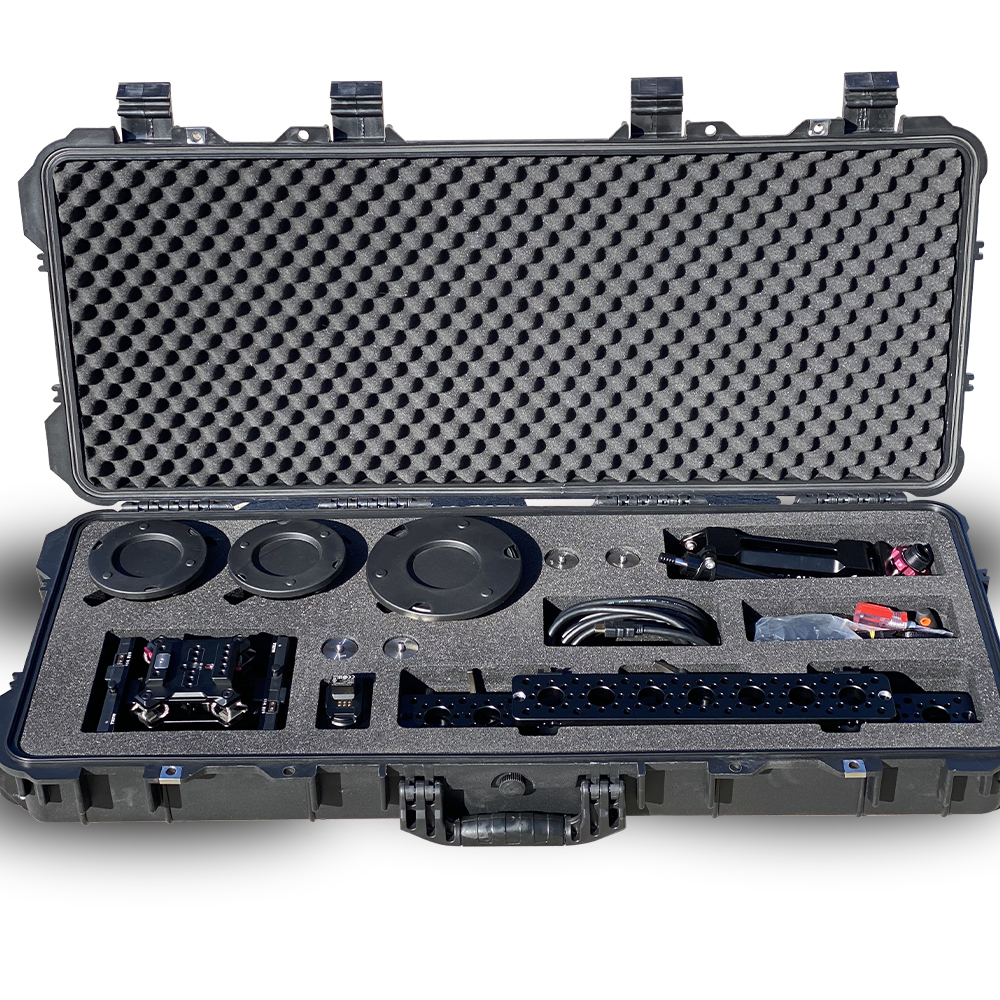
Crafting custom foam inserts for gun cases is an art that combines precision, functionality, and protection. Whether for a firearm collection or a single prized possession, the right foam cutting techniques ensure that guns are safely housed and easily accessible. This comprehensive guide will explore techniques, materials, and tips for creating custom foam inserts that meet specific requirements while offering maximum protection.
Understanding the Importance of Foam Inserts
Custom foam inserts are essential for the safe storage and transportation of firearms. They provide:
- Protection: Prevents movement and absorbs shock during transit.
- Organization: Keeps firearms and accessories neatly arranged.
- Security: Offers an additional layer of security against unauthorized access.
By discovering expert strategies here, enthusiasts and professionals can ensure their firearms are well-protected with customized solutions.
Choosing the Right Foam Material
Selecting the appropriate foam material is critical. The two most popular types are:
Polyethylene Foam
Polyethylene foam is known for its durability and firmness. It is ideal for cases that require a high level of protection against impact and moisture. Its closed-cell structure ensures that it does not absorb liquids, making it suitable for outdoor use.
Polyurethane Foam
Polyurethane foam offers a softer cushion and is more adaptable for intricate shapes. It?s best used when detailed contouring is necessary to accommodate specific firearm designs or accessories.
To explore advanced guides and tips on foam selection and application, visit the provided resources.
Tools and Techniques for Foam Cutting
Cutting foam requires precision tools and techniques to achieve a professional finish. Some of the most effective tools include:
- Hot Wire Cutter: Provides smooth, accurate cuts without fraying the edges.
- Electric Knife: Offers control and ease of use for both straight and curved cuts.
- CNC Router: Best for complex designs and high-volume production.
Understanding and mastering these tools can significantly improve the quality of the final product. Find out more about this approach to achieve the best results in custom foam cutting.
Designing and Planning the Layout
A well-thought-out layout is crucial for maximizing space and ensuring functionality. Considerations include:
- Firearm Orientation: Optimize space by positioning firearms in a way that reduces footprint while maintaining accessibility.
- Accessory Compartments: Plan for additional compartments for magazines, scopes, and other accessories.
- Layered Designs: Utilize multiple foam layers for added depth and protection.
By learning about tailored solutions, one can enhance both the aesthetic and functional aspects of custom foam inserts.
Finalizing and Testing the Insert
Once the design and cutting are complete, the final steps involve fitting the foam insert into the case and testing its effectiveness. Key actions include:
- Dry Fitting: Ensure all components fit snugly without force.
- Testing for Movement: Simulate transport conditions to check for any movement or gaps.
- Adjustments: Make necessary adjustments to enhance fit and security.
For a more in-depth understanding of how to effectively finalize and test foam inserts, explore these insights.
Custom foam cutting for gun case inserts is a valuable skill that enhances the safety and organization of firearms. By selecting the right materials, mastering precise cutting techniques, and designing a functional layout, enthusiasts and professionals can create inserts that perfectly meet their needs. The resources available at Evolution Gear provide further guidance and support for those looking to refine their skills in this area.