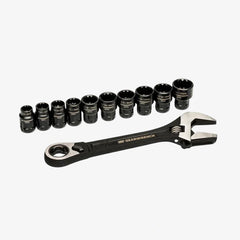
Running a well-equipped workshop is more than a matter of convenience; it directly impacts productivity, safety, and the quality of every repair. Selecting the right mechanic tools, and keeping a reliable inventory, means fewer delays, smoother workflows, and the confidence to tackle any job that rolls in. This guide outlines the essential categories of tools that should be on every professional’s shelf, highlights key features to consider when purchasing, and offers practical tips for maintaining a long-lasting toolkit.
Core Hand Tools Every Workshop Needs
Hand tools form the backbone of any mechanical operation. While they may appear simple, high-quality versions can dramatically reduce fatigue and increase precision.
Essential Hand Tool List
- Combination Wrenches: Full-size and metric sets with ergonomic handles for torque control.
- Ratchet Sets: Include 1/4″, 3/8″, and 1/2″ drives, plus a variety of socket extensions.
- Screwdriver Sets: Phillips, flat-head, Torx, and hex drivers with magnetic tips.
- Pliers: Needle-nose, locking, and slip-joint pliers for gripping and cutting.
- Torque Wrenches: Click-type or digital models calibrated for exact torque specifications.
For a deeper dive into selecting torque tools, Discover expert strategies here.
Power and Pneumatic Tools for Efficiency
When speed and power matter, electric and pneumatic tools become indispensable. Investing in reliable brands reduces downtime caused by equipment failure.
Key Power Tools to Stock
- Impact Wrenches: 1/2″ and 3/8″ models with adjustable torque settings.
- Air Ratchets: Ideal for confined spaces where a traditional ratchet is cumbersome.
- Cordless Drills/Drivers: Brushless motors, high-capacity batteries, and variable speed controls.
- Angle Grinders: 4.5″ and 5″ discs for cutting, grinding, and polishing.
- Air Hammers: Useful for panel removal, rivet cutting, and bodywork shaping.
To explore the latest pneumatic solutions, Learn about our tailored solutions.
Diagnostic and Measuring Instruments
Accurate diagnostics prevent costly guesswork. Modern workshops rely on electronic and mechanical measuring devices to pinpoint issues quickly.
Must-Have Instruments
- Digital Multimeters: True RMS models for voltage, current, and resistance checks.
- OBD-II Scanners: Bluetooth-enabled units that interface with smartphones for real-time data.
- Compression Testers: Gauge cylinders to verify engine health.
- Feeler Gauges: Set of metric and SAE blades for valve clearance measurements.
- Laser Alignment Tools: Ensure driveline and suspension components are perfectly aligned.
For a comprehensive guide on using diagnostic equipment, Explore advanced guides and tips.
Workshop Organization and Safety Gear
Even the best tools lose value if they’re misplaced or used without proper safety measures. Structured storage and protective equipment keep the workspace functional and compliant with industry standards.
Organizational Essentials
- Tool Chest/ cabinets: Heavy-duty steel with lockable drawers and removable trays.
- Wall-Mounted Racks: Pegboards and magnetic strips for quick access to frequently used items.
- Rolling Carts: Mobile units for power tools and consumables.
Safety Equipment
- Protective Eyewear: Impact-resistant lenses with anti-fog coating.
- Mechanic Gloves: Cut-resistant, heat-tolerant materials.
- Hearing Protection: Earplugs or earmuffs for noisy pneumatic work.
- Respiratory Masks: Filtered masks for dust and chemical fumes.
Guidelines on maintaining a safe workshop environment are available at Find out more about this approach.
Purchasing Strategies for Long-Term Value
Buying mechanic tools should be treated as a strategic investment rather than a one-off expense. Consider the following tactics to maximize return on each purchase.
- Assess Frequency of Use: Prioritize high-quality tools for tasks performed daily; reserve budget models for occasional jobs.
- Check Warranty and Service Support: Extended warranties and easy parts replacement can extend tool life.
- Bundle Packages: Many suppliers offer discounted sets that include complementary tools.
- Read Professional Reviews: Look for feedback from experienced technicians to gauge durability.
- Plan for Future Expansion: Choose modular storage that can grow with the workshop’s needs.
For additional insight into smart purchasing, Discover expert strategies here.
Maintenance Practices to Extend Tool Life
Regular upkeep safeguards performance and prevents premature failure. Adopt a routine that includes cleaning, lubrication, and calibration.
Simple Maintenance Checklist
- Wipe down tools after each use to remove oil, dirt, and metal shavings.
- Apply a thin coat of rust-preventive oil to metal surfaces.
- Inspect moving parts for wear; replace worn sockets or bits promptly.
- Calibrate torque wrenches annually according to manufacturer specifications.
- Store power tools in a climate-controlled area to protect batteries and electronics.
Further reading on tool care can be found at Explore advanced guides and tips.
Conclusion
Equipping a workshop with the right mechanic tools is a balance of quality, relevance, and strategic planning. By focusing on core hand tools, reliable power equipment, precise diagnostic instruments, and robust organization, technicians can deliver faster, safer, and more accurate service. Continuous education, through resources like Learn about our tailored solutions, ensures that tool selections remain aligned with evolving industry standards, ultimately protecting both the bottom line and the reputation of the service provider.