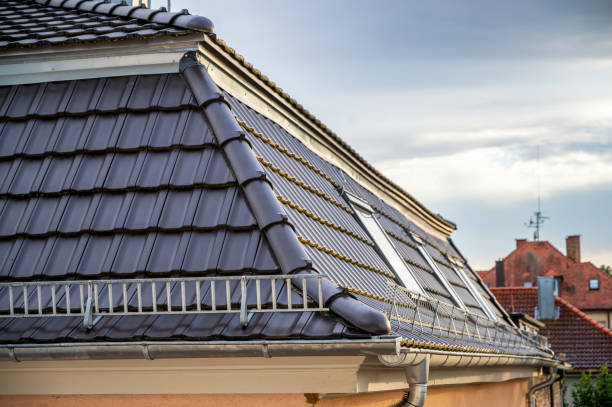
Utah’s climate presents a unique set of challenges for homeowners who rely on gutters to protect their properties. From heavy snowfalls in the Wasatch Range to spring rainstorms that can quickly turn into flash floods, the right gutter protection system must be resilient, low-maintenance, and capable of handling both ice and debris. This guide reviews the most effective gutter protection solutions for Utah’s weather patterns, outlines key considerations when selecting a system, and highlights installation best practices to ensure long-term performance.
Why Traditional Gutters Fail in Utah
Standard open-ended gutters are prone to clogging when exposed to the region’s mix of pine needles, sand, and fine dust. In winter, ice can form a dam that prevents water from draining, leading to overflow, water damage, and costly repairs. The combination of freeze-thaw cycles and high-velocity runoff makes it essential to choose a system that can keep debris out while allowing water to flow freely.
Top Gutter Protection Technologies
1. Micro-Mesh Gutter Guards
Micro-mesh guards consist of a fine stainless-steel screen that fits over the gutter opening. The mesh size (typically 0.5″?mm) blocks even the smallest particles while permitting water to pass through.
- Excellent performance in snowy conditions – snow slides off the mesh, reducing ice buildup.
- Highly effective against pine needles, leaves, and fine dust common in Utah’s urban and mountain areas.
- Low maintenance; occasional rinsing with a garden hose is sufficient.
For a reputable source of these systems, see the options offered by gutter guards utah.
2. Reverse-Curve (Surface Tension) Systems
These guards use a curved hood that directs water toward the gutter while debris slides off the edge. The design relies on surface tension to keep water flowing.
- Works well with light rain and moderate snowfall.
- Less effective when heavy debris (e.g., pine cones) accumulates.
- Requires precise installation to maintain the correct angle.
Professional gutter guard installation ensures the curvature is set correctly for optimal performance.
3. Foam Inserts
Foam inserts fill the gutter interior, acting as a filter that traps debris while allowing water to flow through the porous material.
- Simple DIY option; can be cut to fit any gutter size.
- May degrade over time under UV exposure and extreme temperature swings.
- Best suited for low-traffic roofs with minimal leaf fall.
When considering a long-term solution, many homeowners turn to experienced gutter guard installers utah for higher-quality alternatives.
Key Factors for Choosing the Right System
Evaluating gutter protection for Utah should involve a checklist that balances climate resilience, maintenance needs, and cost.
- Snow Load Capacity: The guard must allow snow to slide off without creating ice dams.
- Debris Filtration: Pine needles and fine dust are abundant; a tighter mesh provides better protection.
- Durability: Materials should resist corrosion from road salt and UV degradation.
- Installation Quality: Improper fitting can negate the benefits of even the best guard.
- Warranty and Support: Look for manufacturers that back their products with multi-year warranties.
Installation Best Practices for Utah Homes
Even the most advanced guard can fail if not installed correctly. Below are essential steps that professional gutter guard contractors follow:
- Inspect and Clean Existing Gutters: Remove all debris and check for rust, cracks, or sagging sections.
- Measure Precisely: Accurate measurements ensure a snug fit, preventing gaps where water could escape.
- Secure Fasteners: Use stainless-steel screws or brackets that can withstand freeze-thaw cycles.
- Seal Overlaps: Overlap sections of mesh or foam to avoid water infiltration at joints.
- Test Flow: Run water through the system after installation to verify that no pooling occurs.
Homeowners seeking local expertise can search for gutter installation near me to find certified installers familiar with Utah’s building codes.
Maintenance Tips to Extend Service Life
While gutter protection reduces the frequency of cleaning, periodic upkeep is still advisable, especially after major storms or heavy snowfall.
- Seasonal Rinse: Use a garden hose with a high-pressure nozzle to flush out fine particles.
- Inspect for Ice Buildup: In winter, break any ice dams with a safe, non-metallic tool to avoid damaging the guard.
- Check Fasteners: Tighten any loose screws after a season of temperature fluctuations.
- Re-apply Sealant: If seams begin to leak, re-apply a silicone-based sealant rated for outdoor use.
Cost Considerations and Return on Investment
Investing in high-quality gutter filters may have a higher upfront price than DIY foam inserts, but the reduction in water damage, foundation issues, and roof repairs often justifies the expense. A well-installed system can last 10-15 years, delivering savings that outweigh the initial cost.
Conclusion
Choosing the right gutter protection for Utah’s varied weather hinges on understanding the local climate, selecting a system that can handle snow, ice, and abundant debris, and ensuring professional installation. Micro-mesh guards stand out for their superior filtration and snow-shedding capabilities, while reverse-curve and foam options may suit specific budget or DIY preferences. By following proper installation practices and committing to minimal seasonal maintenance, homeowners can safeguard their properties against costly water damage and enjoy peace of mind year after year. For further guidance, exploring reputable resources such as a dedicated gutter guard company utah can provide tailored recommendations that align with each home’s unique needs.