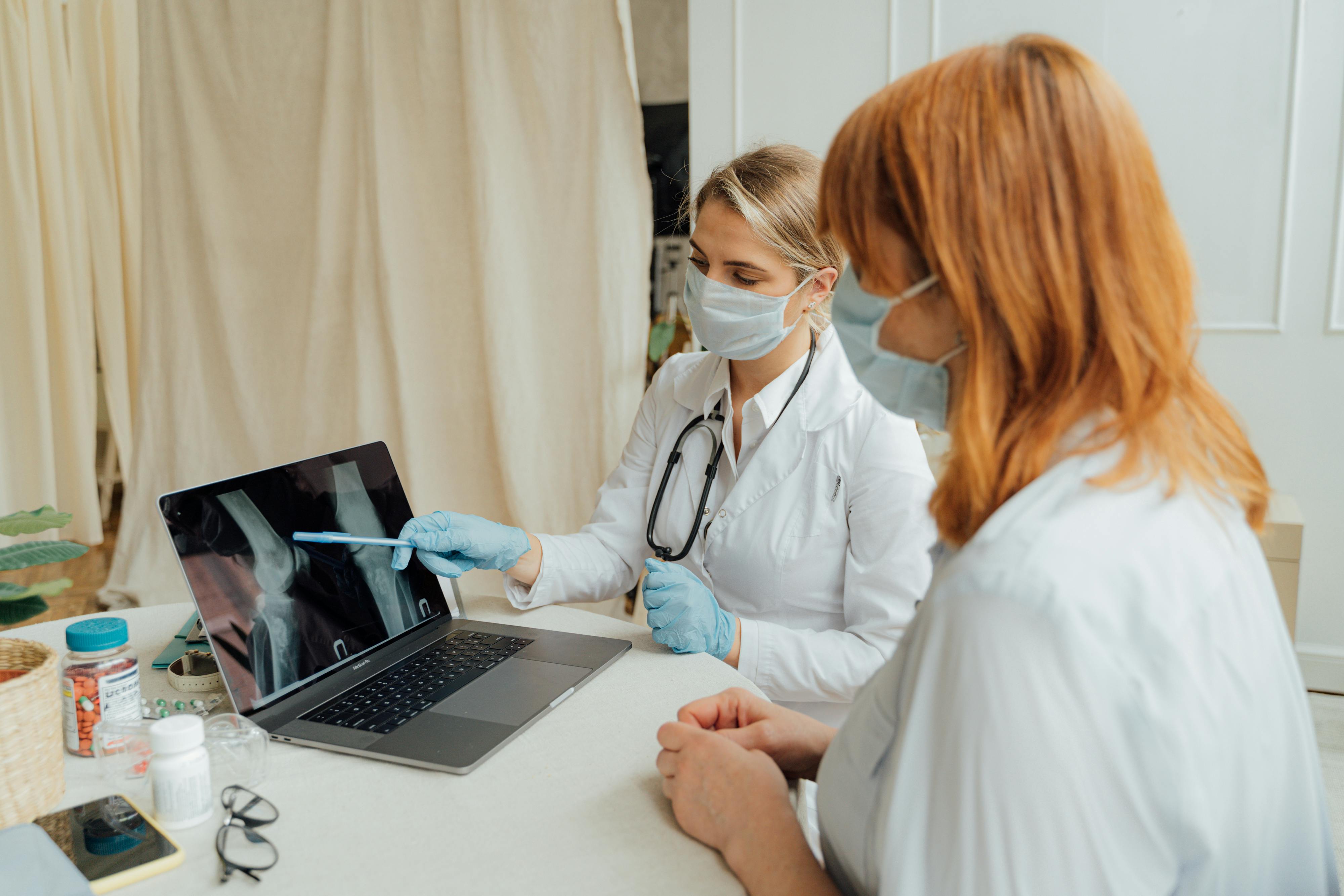
Living with joint pain can limit everyday activities, from walking the beach in Miami to enjoying a night out with friends. Advances in orthopaedic medicine now make it possible to preserve natural joint function and delay, or even avoid, total joint replacement. Consulting with a seasoned joint preservation specialist provides a personalized roadmap that blends non-surgical therapies, minimally invasive procedures, and lifestyle modifications. This article outlines what to expect during a joint preservation consultation, the range of treatment options available, and how a top Miami professional can help maintain mobility and quality of life.
What Happens During a Joint Preservation Consultation
A thorough evaluation is the cornerstone of successful joint preservation. During the initial meeting, the specialist will:
- Review medical history, including previous injuries, surgeries, and chronic conditions.
- Conduct a detailed physical examination to assess range of motion, stability, and pain points.
- Order diagnostic imaging, such as X-rays, MRI, or CT scans, to visualize cartilage health and bone structure.
- Discuss activity level, occupational demands, and personal goals for recovery.
The outcome of this assessment is a customized treatment plan that aligns with the patient’s lifestyle and long-term joint health objectives.
Core Principles of Joint Preservation
Biological Restoration
Preserving native joint tissue often begins with biologic therapies that stimulate healing. Options include:
- Platelet-rich plasma (PRP) injections to reduce inflammation and promote cartilage regeneration.
- Stem-cell therapies that deliver progenitor cells directly to damaged areas.
- Viscosupplementation using hyaluronic acid to improve joint lubrication.
Mechanical Realignment
When joint wear is related to malalignment, corrective procedures can redistribute load and protect cartilage. Common interventions are:
- High tibial osteotomy for varus knee deformities.
- Distal femoral osteotomy for valgus alignment.
- Arthroscopic debridement to remove loose fragments and smooth rough surfaces.
Minimally Invasive Surgery
For patients who have not responded to conservative care, knee joint preservation surgery offers targeted solutions that retain the native joint while addressing specific pathology. Techniques include:
- Cartilage resurfacing with osteochondral autograft transplantation.
- Microfracture surgery to stimulate fibrocartilage growth.
- Partial joint resurfacing implants that replace only the damaged compartment.
Non-Surgical Strategies: Joint Preservation Without Surgery
Many individuals achieve significant symptom relief and functional improvement through non-operative measures. A comprehensive program may incorporate:
- Physical therapy focused on strengthening periarticular muscles and improving gait mechanics.
- Weight-management counseling to reduce joint load, especially in the knee and hip.
- Activity modification, selecting low-impact exercises such as swimming, cycling, or elliptical training.
- Custom orthotics and bracing to enhance alignment and offload stressed regions.
These approaches are often the first line of defense and can delay the need for more invasive interventions.
Choosing the Right Specialist in Miami
Miami hosts several highly trained physicians who focus on joint preservation. When selecting a provider, consider the following criteria:
- Board certification in orthopaedic surgery or sports medicine.
- Specific fellowship training in joint preservation techniques.
- Experience with both arthroscopic and open procedures for cartilage restoration.
- Access to a multidisciplinary team, including physical therapists, nutritionists, and pain management specialists.
Finding a joint preservation doctor Miami who combines academic expertise with practical experience ensures that patients receive evidence-based care tailored to their unique condition.
Benefits of Early Intervention
Addressing joint degeneration early in its course yields several advantages:
- Reduced pain intensity: Targeted therapies can break the cycle of inflammation and discomfort.
- Preserved mobility: Maintaining cartilage health prolongs the joint’s functional lifespan.
- Lower long-term costs: Delaying joint replacement reduces the need for extensive postoperative rehabilitation.
- Improved quality of life: Patients can remain active in sports, work, and family activities without major restrictions.
Next Steps After the Consultation
Following the initial evaluation, the specialist will outline a step-by-step plan that may include:
- Implementation of a personalized physical therapy regimen.
- Trial of biologic injections or medication adjustments.
- Scheduled imaging to monitor progress at 3-month intervals.
- Re-assessment to determine if minimally invasive surgery is warranted.
Throughout this process, open communication between the patient and the care team is essential. Adjustments are made based on response to treatment, ensuring the most effective path to joint health.
Conclusion
Joint preservation represents a paradigm shift from reactive joint replacement to proactive joint health management. By engaging with a skilled joint preservation consultation, individuals in Miami can explore a spectrum of options, ranging from biologic injections and targeted physical therapy to advanced cartilage-saving surgeries. Early, personalized intervention not only alleviates pain but also safeguards the natural joint for years to come, enabling an active, fulfilling lifestyle.