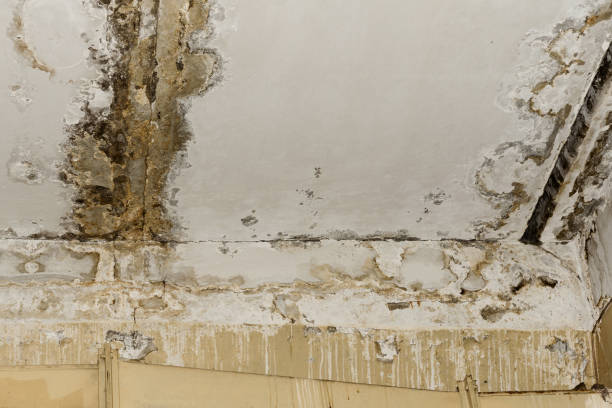
Hidden behind walls, under flooring, or lurking in forgotten corners, mold can silently damage property and health. Homeowners and business operators who discover a musty odor or visible growth know that prompt, reliable remediation is essential. Finding a qualified professional nearby, especially one that adheres to industry standards and local regulations, can mean the difference between a quick fix and a recurring problem. This guide explains what to look for in trustworthy mold removal services near you, outlines the steps involved in a thorough remediation, and highlights key factors that ensure long-term protection.
Understanding Mold and Its Risks
Before selecting a service, it helps to recognize why mold is more than just an aesthetic issue.
- Health concerns: Spores can trigger allergies, asthma attacks, and respiratory infections, particularly in vulnerable populations.
- Structural damage: Prolonged exposure to moisture allows mold to deteriorate wood, drywall, and insulation, compromising the integrity of a building.
- Legal and insurance implications: Unaddressed mold may affect property values and could lead to disputes with insurers or tenants.
Key Characteristics of Reliable Mold Removal Services
Certification and Licensing
Look for providers that employ licensed mold remediation specialists. Certifications from organizations such as the Institute of Inspection, Cleaning and Restoration Certification (IICRC) or the National Organization of Remediators and Mold Inspectors (NORMI) demonstrate a commitment to industry-accepted practices.
Transparent Process
A reputable contractor will explain each phase of the job, from initial assessment to final clearance testing. This transparency builds confidence that the work meets health and safety standards.
Local Presence and Rapid Response
Searching for “mold removal services near me” often yields providers that can arrive quickly, limiting further spread. Companies with a strong local footprint typically understand regional humidity patterns and common construction materials, allowing for more accurate remediation plans.
Typical Steps in a Professional Mold Remediation
- Inspection and Testing: Certified technicians conduct a visual survey, moisture mapping, and air sampling to identify the extent of contamination.
- Containment: Barriers and negative-pressure ventilation prevent spores from traveling to unaffected areas.
- Air Filtration: HEPA-rated air scrubbers capture airborne particles throughout the process.
- Removal: Affected materials are safely removed, sealed, or cleaned using EPA-approved antimicrobial agents.
- Drying and Dehumidification: Industrial-grade dehumidifiers and fans restore proper moisture levels, a critical step to prevent regrowth.
- Restoration: Repairs and reconstruction are performed after clearance testing confirms a safe environment.
Choosing the Right Service Provider
When evaluating potential contractors, consider the following checklist:
- Proof of professional mold removal service licensing and insurance.
- Positive customer reviews that mention thoroughness and communication.
- Clear, written estimates that separate inspection fees from remediation costs.
- Availability of post-remediation testing to verify that mold levels are within acceptable limits.
- Experience with specific property types, residential, commercial, or industrial.
Regional Considerations: Montgomery and Houston
Both Montgomery and the greater Houston area experience high humidity and occasional flooding, conditions that favor mold growth. Residents searching for “mold removal montgomery” or “mold removal services houston” should prioritize firms familiar with local building codes and climate-related challenges. Knowledge of regional water intrusion patterns enables faster identification of hidden moisture sources, such as roof leaks or faulty HVAC condensate lines.
Cost Factors and Budgeting
Pricing varies based on the scope of work, square footage, and level of contamination. Typical cost drivers include:
- Extent of material removal (e.g., drywall, insulation).
- Number of containment zones required.
- Specialized equipment usage, such as negative-pressure chambers.
- Post-remediation reconstruction needs.
While it may be tempting to choose the lowest bid, opting for a qualified mold removal contractor ensures that hidden spores are addressed, reducing the likelihood of future expenses.
Preventive Measures After Remediation
Even after a successful cleanup, ongoing vigilance is essential.
- Maintain indoor humidity below 60% using dehumidifiers and proper ventilation.
- Inspect roof, gutters, and foundation regularly for water intrusion.
- Promptly repair leaks in plumbing, appliances, and HVAC systems.
- Use mold-resistant paints and building materials in moisture-prone areas.
Conclusion
Finding trustworthy mold removal services near you requires a blend of research, verification, and an understanding of the remediation process. By focusing on licensed professionals, transparent procedures, and local expertise, especially in moisture-rich regions like Montgomery and Houston, property owners can protect both health and investment. For those ready to take the next step, exploring reputable options such as Mold Removal near me or professional mold removal will provide a solid foundation for a safe, mold-free environment.