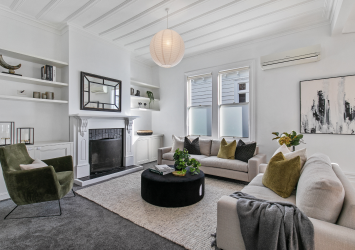
Interior design is an art form that transcends time, combining functionality with aesthetics to create spaces that not only serve their purpose but also evoke a sense of belonging and comfort. In New Zealand, the landscape of interior design is influenced by the country’s unique natural beauty and cultural heritage, leading to the creation of timeless spaces that reflect both modern sensibilities and traditional values. This article delves into the key principles of creating such spaces, exploring strategies and solutions that resonate with the ethos of New Zealand.
Understanding Timeless Design
A timeless interior design is characterized by its ability to remain relevant and appealing across different eras. It is not swayed by fleeting trends but instead focuses on enduring elements that ensure longevity and relevance. Key aspects of timeless design include:
- Quality Materials: Choosing durable and high-quality materials is essential for creating spaces that stand the test of time. Materials such as wood, stone, and natural fibers are commonly used for their resilience and aesthetic appeal.
- Neutral Color Palette: A palette of neutral colors serves as a versatile backdrop that complements various styles and furnishings. It allows for easy updates and modifications over time without requiring a complete overhaul.
- Functional Layout: Prioritizing functionality in the design ensures that the space meets the needs of its occupants. Thoughtful layouts that enhance the flow and usability of a space are integral to timeless design.
Incorporating New Zealand’s Unique Elements
New Zealand’s distinct environment and cultural diversity offer a wealth of inspiration for interior design. Incorporating local elements not only enhances the authenticity of a space but also creates a connection to the surrounding landscape. To explore advanced guides and tips on integrating these elements, visit this guide.
Natural Inspirations
The breathtaking landscapes of New Zealand provide endless inspiration for interior design. Here are ways to incorporate natural elements:
- Wood Accents: Using locally sourced timber for flooring, furniture, and accents adds warmth and texture to interiors.
- Stone Features: Incorporating stone elements, such as feature walls or countertops, brings a touch of the natural environment indoors.
- Botanical Themes: Introducing indoor plants and botanical motifs can infuse spaces with life and serenity.
Cultural Touchstones
New Zealand’s rich Maori heritage and multicultural society can be seamlessly woven into interior design through various elements:
- Traditional Patterns: Incorporating traditional Maori motifs in textiles and decor items can add cultural depth to a space.
- Artistic Expressions: Displaying artworks by local artists celebrates the nation’s creative spirit and provides unique focal points.
- Craftsmanship: Featuring handcrafted furniture and decor pieces highlights the skill and artistry inherent in local craftsmanship.
Designing for Adaptability and Longevity
Creating a timeless space requires a focus on adaptability and longevity. To learn about tailored solutions that ensure spaces remain functional and stylish over time, discover expert strategies here.
Flexible Spaces
Designing flexible spaces that can evolve with changing needs is crucial. Consider the following approaches:
- Modular Furniture: Furniture that can be reconfigured or expanded offers versatility and adaptability.
- Multifunctional Areas: Creating areas that serve multiple purposes maximizes the use of available space.
- Adjustable Lighting: Installing adjustable lighting systems allows for customization of ambiance and functionality.
Sustainable Practices
Incorporating sustainable practices in interior design not only benefits the environment but also contributes to the longevity of a space. Find out more about this approach by visiting this page.
- Eco-Friendly Materials: Choosing sustainable materials reduces environmental impact and often enhances the durability of interiors.
- Energy Efficiency: Implementing energy-efficient systems lowers utility costs and supports sustainable living.
- Recycling and Upcycling: Incorporating recycled and upcycled materials adds character and reduces waste.
Creating timeless spaces in New Zealand involves a delicate balance between honoring the past, embracing the present, and anticipating the future. By integrating quality materials, natural inspirations, cultural elements, and sustainable practices, interior designers can craft environments that remain relevant and cherished over time. For those seeking to delve deeper into the world of interior design in New Zealand, explore more insights and tips here.