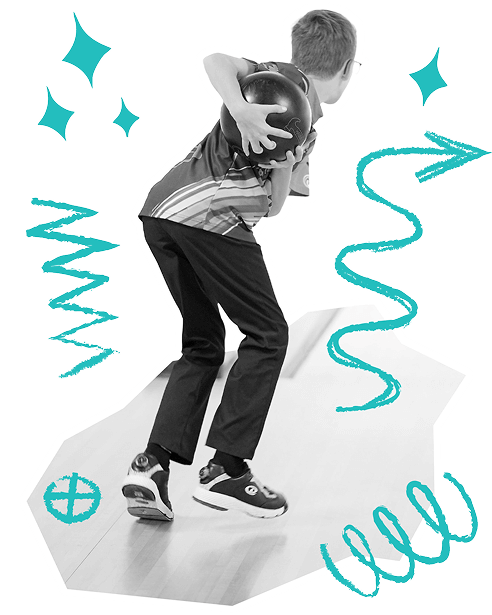
Junior bowling is more than just a recreational activity for young people; it is a dynamic sport that fosters growth in physical skills, mental acuity, and social interactions. As children engage in bowling, they not only learn the technical aspects of the game but also build confidence, sportsmanship, and resilience. The structured environment of junior bowling programs offers a unique blend of fun and learning, making it an ideal sport for developing well-rounded individuals. With the rise in popularity of youth bowling leagues, it’s essential to understand how this sport can positively impact young players.
Developing Physical Skills
Bowling is an excellent way for young athletes to improve their physical abilities. The sport requires a combination of strength, coordination, and precision, which are refined with consistent practice. Key physical benefits include:
- Enhancement of hand-eye coordination and motor skills.
- Improvement in balance and flexibility through regular play.
- Strength building, especially in the upper body and core.
For those interested in structured guidance, discover expert strategies here that can help in honing these skills effectively.
Boosting Mental Acuity
Beyond physical development, bowling also sharpens mental capabilities. Youth participants learn to strategize and make quick decisions, which are critical skills both on and off the lanes. The mental benefits of junior bowling include:
- Enhanced concentration and focus during gameplay.
- Development of problem-solving skills as players adjust to different lane conditions.
- Increased patience and perseverance through practice and competition.
To gain deeper insights into the cognitive aspects of the sport, explore advanced guides and tips available for young bowlers.
Fostering Social Skills and Confidence
Junior bowling leagues provide a social platform where young players can interact, compete, and form friendships. These interactions are crucial for building confidence and learning essential social skills. Through bowling, youth can experience:
- Improved teamwork and communication skills.
- Opportunities to build friendships and camaraderie.
- Increased self-esteem from achieving personal and team goals.
The communal aspect of bowling encourages young participants to engage positively with peers, fostering a supportive environment. To understand more about how this environment can benefit youth, find out more about this approach.
Integrating Life Lessons Through Bowling
Bowling offers more than just technical and social benefits; it also provides valuable life lessons. Participation in junior bowling leagues teaches young athletes about responsibility, goal setting, and handling success and failure gracefully. Key lessons include:
- Understanding the importance of practice and dedication.
- Learning to set and achieve realistic goals.
- Experiencing the value of sportsmanship and respect for others.
For comprehensive strategies on integrating these lessons into youth sports, learn about our tailored solutions.
Conclusion
Junior bowling is a multifaceted sport that plays a significant role in the development of young athletes. It not only cultivates essential physical and mental skills but also enhances social interactions and instills important life values. As the popularity of youth bowling continues to grow, so does the importance of structured programs that support this growth. For those interested in maximizing the benefits of junior bowling, expert resources are readily available to guide young athletes towards success and personal development. To explore more about the impact of junior bowling, explore advanced guides and tips tailored to the needs of young players.