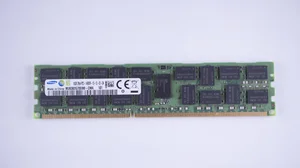
As technology continues to evolve at a rapid pace, the demand for faster and more efficient computing components becomes increasingly vital. Among these components, memory plays a crucial role in determining the performance and reliability of modern computing systems. With the advent of DDR5 memory, consumers and industry professionals alike are keen to understand how it compares to its predecessor, DDR4. This article delves into the critical differences between DDR4 and DDR5 memory, providing valuable insights for those looking to upgrade or build new systems.
Performance and Speed Improvements
One of the most significant advancements from DDR4 to DDR5 is the improvement in performance and speed. DDR5 memory offers notable enhancements that cater to the growing demands of computational tasks:
- Increased Bandwidth: DDR5 memory provides higher bandwidth, allowing for faster data transfer rates, which is essential for high-performance applications such as gaming, video editing, and data analysis.
- Higher Data Rate: DDR5 modules boast a higher data rate, which translates to improved overall system responsiveness and efficiency.
For those interested in understanding the technical specifications in detail, Read more about this topic to explore the nuances of DDR5’s performance metrics.
Power Efficiency and Thermal Management
Another area where DDR5 surpasses DDR4 is in power efficiency and thermal management. These improvements are crucial for maintaining system stability and reducing energy consumption.
- Lower Voltage Requirements: DDR5 operates at a lower voltage than DDR4, contributing to reduced power consumption and heat generation.
- Enhanced Power Management: The introduction of on-die ECC (Error Correction Code) in DDR5 helps in correcting errors in real-time, enhancing reliability and efficiency.
To Explore further insights here on how DDR5’s power efficiency can benefit various computing environments.
Compatibility and Adoption Considerations
Motherboard and Processor Compatibility
When considering an upgrade from DDR4 to DDR5, compatibility is a critical factor. DDR5 memory requires compatible motherboards and processors that support the new standard. Thus, upgrading may involve additional costs for new hardware components.
For those planning to transition, it’s advisable to ensure that your system’s other components support DDR5. Find additional information here on the necessary requirements for a seamless upgrade.
Market Availability and Cost
The adoption of DDR5 is still in its early stages, and as such, availability and pricing are important considerations:
- Initial Cost: Typically, new technology comes at a premium, and DDR5 is no exception. Prices are expected to stabilize as production scales.
- Market Availability: As more manufacturers begin producing DDR5 modules, availability will increase, leading to more competitive pricing.
For those watching market trends, Learn more in this detailed guide about how DDR5’s market presence is expected to evolve.
Conclusion
DDR5 memory represents a significant leap forward in memory technology, offering substantial improvements over DDR4 in terms of speed, efficiency, and overall performance. While the transition to DDR5 may require investment in new hardware, the benefits it offers make it a compelling choice for users seeking cutting-edge performance. As the technology becomes more widespread, consumers can expect increased availability and more affordable pricing, making DDR5 an essential consideration for future-proofing computing systems.