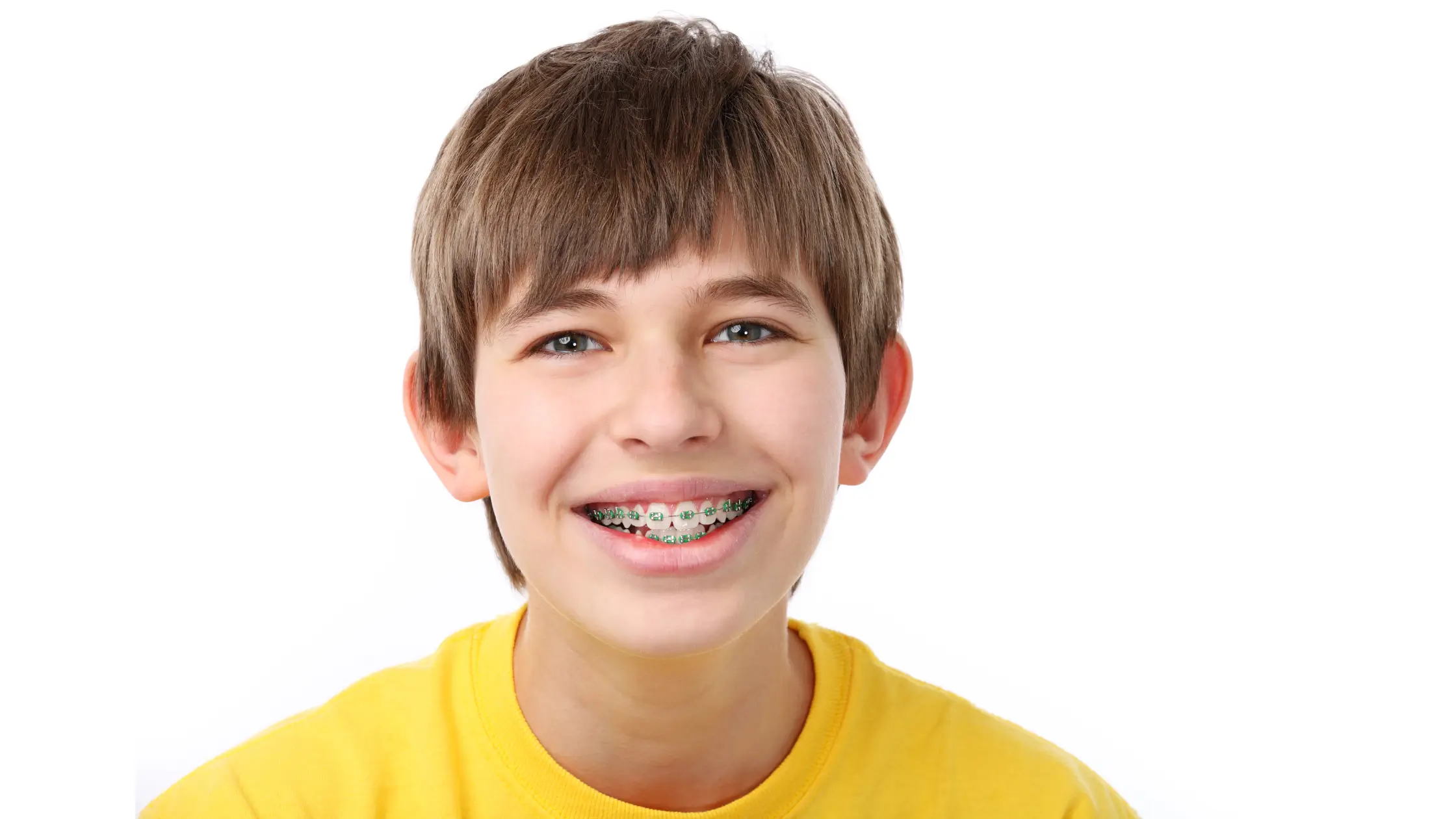
Braces for kids can be a daunting prospect for parents, especially when it comes to choosing the right type. With so many options available, it can be overwhelming to navigate the process and make an informed decision. However, with the right guidance, parents can ensure their child receives the best possible care and treatment.
Understanding the Need for Braces in Kids
Before exploring the different types of braces available, it’s essential to understand why they are necessary. Braces are used to correct a range of orthodontic issues, including overcrowding, overbites, and underbites. In some cases, these problems can be caused by genetics, while in others, they may be the result of an injury or a developmental issue. Discover expert strategies here to learn more about the causes and effects of these issues.
Types of Braces for Kids
There are several types of braces available, each with its own unique benefits and drawbacks. Some of the most common types include:
- Traditional Metal Braces: These are the most common type of brace and consist of metal brackets and wires. They are effective in correcting a range of orthodontic issues, but can be unsightly and cause discomfort.
- Ceramic Braces: These are similar to traditional metal braces but have ceramic brackets instead. They are less noticeable than metal braces but can be more expensive.
- Invisalign: This is a type of clear aligner that is custom-made to fit the individual’s teeth. It is a popular choice for kids as it is discreet and comfortable.
- Self-Ligating Braces: These are a type of metal brace that uses a slide mechanism to hold the wire in place. They are more comfortable and easier to clean than traditional metal braces.
Factors to Consider When Choosing Braces for Kids
When choosing braces for kids, there are several factors to consider. These include:
- Cost: Braces can be expensive, especially if they are not covered by insurance. It’s essential to factor in the cost of treatment and any additional expenses.
- Comfort: Some types of braces can be more comfortable than others. For example, Invisalign is often preferred by kids due to its discreet and comfortable design.
- Effectiveness: Different types of braces have varying levels of effectiveness. For example, traditional metal braces are effective in correcting a range of orthodontic issues, but may not be as effective for more complex cases.
- Appearance: Some types of braces can be more noticeable than others. For example, metal braces are often more visible than ceramic or Invisalign braces.
Discovering the Right Fit
Choosing the right type of braces for your child can be a daunting task, but with the right guidance, it can be made easier. Learn about our tailored solutions and discover the best approach for your child’s unique needs. Explore advanced guides and tips to ensure you make an informed decision.
Conclusion
Choosing the right type of braces for kids requires careful consideration and research. By understanding the different types of braces available and the factors to consider, parents can ensure their child receives the best possible care and treatment. Find out more about this approach and discover expert strategies for choosing the right type of brace for your child.