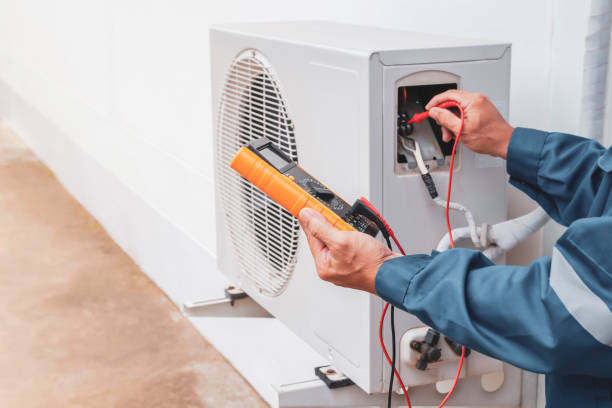
In today’s fast-paced commercial environment, the efficiency of heating, ventilation, and air-conditioning (HVAC) systems directly influences operational productivity, energy costs, and employee comfort. Modern businesses increasingly recognize that a well-designed HVAC strategy is not merely a utility expense but a strategic asset that can streamline processes, reduce downtime, and support sustainability goals. By integrating intelligent controls, predictive maintenance, and scalable equipment, organizations can transform climate control from a background function into a proactive driver of operational excellence.
Why Commercial HVAC Is a Critical Operational Lever
Commercial HVAC systems differ from residential units in scale, complexity, and impact. When designed and managed correctly, they deliver:
- Energy Efficiency: Advanced variable-speed compressors and smart thermostats cut consumption by up to 30%.
- Reliability: Redundant components and real-time monitoring reduce unexpected shutdowns.
- Indoor Air Quality: Proper filtration and ventilation meet health standards, boosting employee well-being.
- Scalability: Modular designs adapt to expansion without major retrofits.
Key Components of an Optimized HVAC Strategy
1. Intelligent Controls and Automation
Automation platforms integrate sensors, building-management systems (BMS), and cloud analytics to fine-tune temperature, humidity, and airflow based on real-time occupancy and weather data. This approach not only trims energy waste but also provides actionable insights for facility managers.
For a deeper dive into how automation can reshape facility performance, Discover expert strategies here.
2. Predictive Maintenance Programs
Traditional preventive maintenance relies on fixed schedules, which can lead to unnecessary service calls or missed failures. Predictive maintenance uses vibration analysis, infrared thermography, and IoT-enabled diagnostics to forecast component wear before it becomes critical.
Learn about our tailored solutions for predictive upkeep by visiting Learn about our tailored solutions.
3. Energy Recovery and Heat Reuse
Many commercial facilities generate waste heat that can be reclaimed for water heating, space heating, or even process applications. Installing heat exchangers and energy recovery ventilators (ERVs) captures this otherwise lost energy, delivering both cost savings and environmental benefits.
Explore advanced guides and tips on heat recovery here.
Implementing a Streamlined HVAC Plan
Adopting a comprehensive HVAC solution involves several coordinated steps. The following checklist helps ensure a systematic rollout:
- Assessment: Conduct a full audit of existing equipment, energy usage, and indoor air quality metrics.
- Design: Select scalable, high-efficiency units that align with the building’s load profile and future growth plans.
- Integration: Connect new equipment to the BMS for centralized control and data collection.
- Commissioning: Verify performance against design specifications and calibrate controls.
- Training: Equip maintenance staff with the knowledge to interpret analytics and execute predictive tasks.
- Continuous Improvement: Review performance reports quarterly and adjust setpoints or equipment as needed.
Case Study Highlights
Several enterprises have realized measurable gains by modernizing their HVAC infrastructure:
- A regional distribution center reduced annual electricity costs by 28% after installing variable-frequency drives and a cloud-based monitoring system.
- A corporate office complex achieved a 15% improvement in indoor air quality scores, correlating with a 12% decrease in employee sick-day reports.
- A manufacturing plant leveraged heat recovery to supply 40% of its process-water heating needs, cutting natural-gas consumption dramatically.
Find out more about this approach through detailed industry analyses here.
Future Trends Shaping Commercial HVAC
Looking ahead, several emerging technologies promise to further streamline operations:
- AI-Driven Optimization: Machine-learning algorithms predict occupancy patterns and adjust climate settings proactively.
- Renewable Integration: Solar-powered chillers and geothermal loops reduce reliance on grid electricity.
- Enhanced Filtration: UV-C and bipolar ionization technologies address airborne pathogens, a growing concern post-pandemic.
Conclusion
Investing in sophisticated commercial HVAC solutions is no longer a peripheral concern; it is a core component of operational resilience and cost management. By embracing intelligent controls, predictive maintenance, and energy-recovery strategies, businesses can achieve a harmonious balance between performance, sustainability, and employee comfort. For organizations ready to elevate their climate-control infrastructure, the resources and expertise needed are readily accessible, simply start by exploring the wealth of information and guidance available at Explore advanced guides and tips.