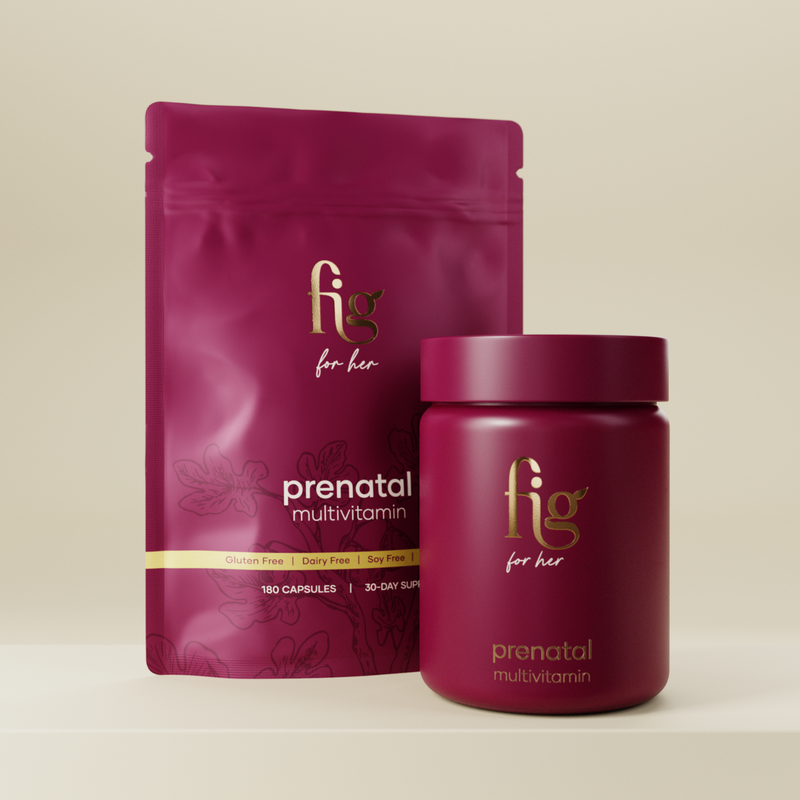
Pregnancy is a transformative journey, requiring a heightened focus on health and nutrition. As the body undergoes significant changes to support life, it is crucial to ensure that both the mother and the developing fetus receive adequate nutrients. Prenatal vitamins play a pivotal role in this process. They are specifically formulated to fill nutritional gaps and support fetal development at various stages of pregnancy. Understanding the components of prenatal vitamins and how they contribute to a healthy pregnancy can empower expectant mothers to make informed decisions.
Why Prenatal Vitamins Are Important
Prenatal vitamins are designed to provide essential nutrients that might be lacking in a regular diet. These vitamins and minerals are vital for the healthy development of the baby and the well-being of the mother. Some of the key reasons prenatal vitamins are crucial include:
- Supporting the development of the baby’s brain and spinal cord.
- Reducing the risk of birth defects, particularly neural tube defects.
- Ensuring the mother”?s nutrient levels are sufficient to support the pregnancy.
For more insights into maintaining a balanced diet during pregnancy, discover expert strategies here.
Essential Nutrients in Prenatal Vitamins
Understanding the composition of prenatal vitamins can help in selecting the most suitable option. Here are some essential nutrients commonly found in these supplements:
Folic Acid
Folic acid is a B vitamin crucial for preventing neural tube defects. It is recommended that women who are planning to become pregnant begin taking folic acid supplements prior to conception. The standard recommended dose is 400 to 800 micrograms daily.
Iron
Iron supports the development of the placenta and fetus. It also helps increase the mother’s blood volume, which is crucial during pregnancy. Iron deficiency can lead to anemia, which is associated with premature birth and low birth weight.
Calcium
Calcium is necessary for the development of strong bones and teeth in the baby. It also prevents maternal bone loss as the fetus draws calcium from the mother’s stores.
Other Vital Nutrients
- Vitamin D: Supports bone health and immune function.
- Omega-3 Fatty Acids: Important for brain development.
- Iodine: Essential for thyroid function and brain development.
To delve deeper into these nutrients, learn about our tailored solutions.
Choosing the Right Prenatal Vitamin
Selecting the right prenatal vitamin can be daunting given the plethora of options available. Considerations should include personal health needs, dietary restrictions, and advice from healthcare providers. Here are some tips for choosing the right supplement:
- Ensure the vitamin contains at least 400 micrograms of folic acid.
- Check for iron content, especially if at risk for anemia.
- Look for vitamins that include a comprehensive profile of nutrients essential for pregnancy.
To explore advanced guides and tips on selecting prenatal vitamins, find out more about this approach.
Conclusion
Prenatal vitamins are a vital component of prenatal care, supporting both maternal health and fetal development. While they do not replace a well-balanced diet, they ensure that essential nutrients are provided in adequate amounts. Expectant mothers should consult with healthcare professionals to tailor their prenatal vitamin regimen to their specific needs. By prioritizing nutrition through prenatal vitamins, mothers can contribute significantly to the healthy development of their babies. For further guidance on maintaining health during pregnancy, explore advanced guides and tips.