When the mid-day slump hits, the sudden craving for snacks can derail even the most disciplined diet plan. Appetite spikes are often the result of hormonal fluctuations, stress, or simply the body’s effort to maintain energy balance. Fortunately, science-backed appetite suppressants can help smooth out those peaks, allowing you to stay on track without feeling deprived. This guide breaks down the most effective options, how they work, and practical tips for integrating them into a healthy lifestyle.
Understanding How Appetite Suppressants Work
Appetite suppressants fall into two main categories: natural compounds that influence satiety signals and pharmaceutical-grade ingredients that target specific neurotransmitters. Both aim to reduce the feeling of hunger, but they do so via different pathways.
Key Mechanisms
- Serotonin modulation: Increases feelings of fullness by boosting serotonin levels in the brain.
- Ghrelin inhibition: Lowers the “hunger hormone” ghrelin, which is released when the stomach is empty.
- Fiber expansion: Soluble fibers absorb water, expanding in the stomach to create a physical sense of fullness.
- Thermogenic effect: Raises metabolic rate, indirectly reducing appetite by burning more calories.
Top Natural Appetite Suppressants
Natural options are popular for their safety profile and additional health benefits. Below are the most researched ingredients that consistently appear in high-quality formulations.
1. Glucomannan
- Derived from the konjac root, it can absorb up to 50 times its weight in water.
- Creates a gel-like substance in the stomach, delaying gastric emptying.
- Often paired with vitamins to improve overall nutrient absorption.
2. Green Tea Extract
- Contains catechins, especially EGCG, which support fat oxidation.
- Provides a mild caffeine boost that can curb cravings.
- Offers antioxidant protection alongside appetite control.
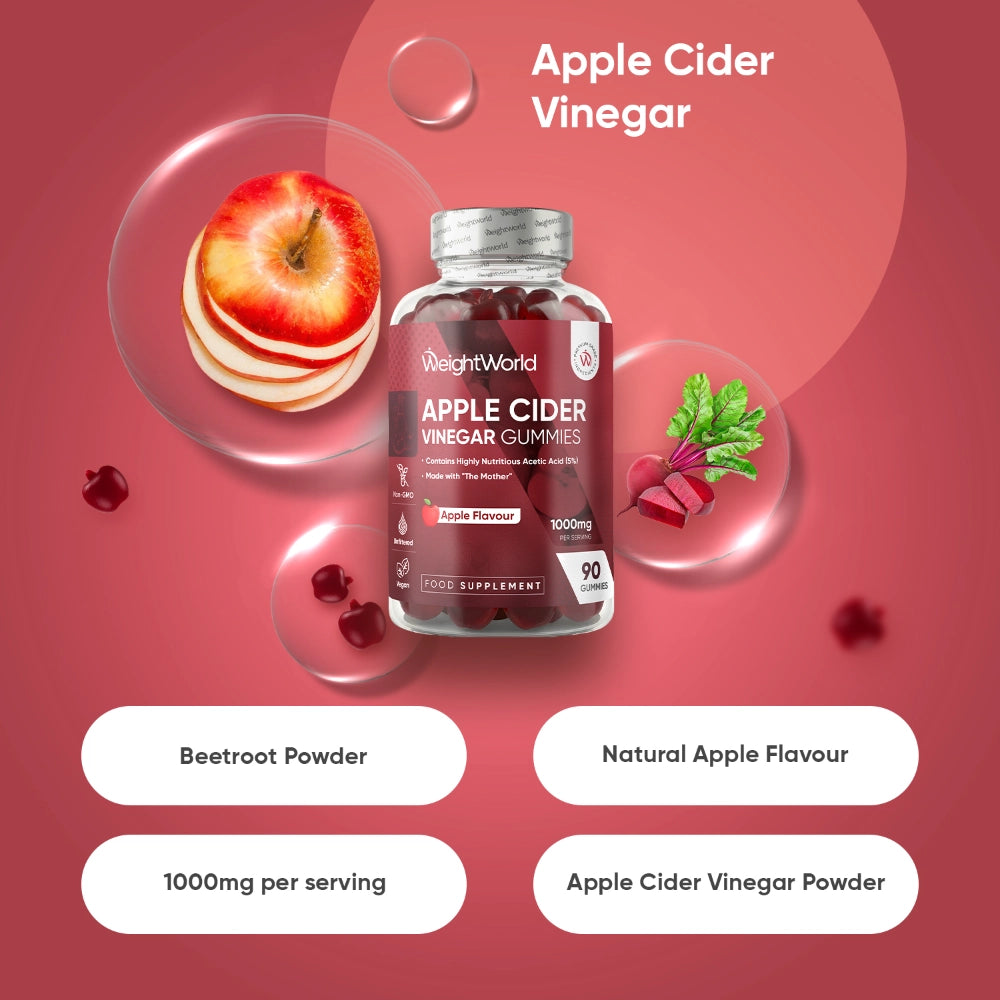
3. Apple Cider Vinegar
- Acetic acid may slow stomach emptying and improve insulin sensitivity.
- Can be taken diluted in water before meals for best results.
- Supports digestion and may help balance blood sugar levels.
Pharmaceutical-Grade Options
For those seeking a stronger effect, prescription-level suppressants are available under medical supervision. These typically target neurotransmitters directly, providing a more pronounced reduction in hunger.
Common Prescription Suppressants
- Phentermine: Stimulates the release of norepinephrine, reducing appetite.
- Contrave (naltrexone/bupropion): Combines two agents to affect reward pathways and appetite centers.
- Lorcaserin (withdrawn in some regions): Previously acted on serotonin receptors to promote satiety.
It is essential to consult a healthcare professional before starting any prescription product, as side effects and contraindications must be evaluated.
Choosing the best appetite suppressant for Your Goals
When selecting a product, consider the following criteria to ensure it aligns with your health objectives and lifestyle.
- Ingredient transparency: Look for clear labeling of active compounds and dosages.
- Clinical backing: Prefer products supported by peer-reviewed studies.
- Safety profile: Verify that the supplement has been tested for contaminants and adverse reactions.
- Convenience: Choose formats (capsules, powders, gummies) that fit your daily routine.
Integrating Suppressants into a Balanced Diet
Even the most effective suppressant will not replace sound nutrition principles. Pairing these aids with a well-structured eating plan maximizes results.
Meal Timing Strategies
- Consume a high-protein breakfast to stabilize blood sugar early in the day.
- Take the supplement 15-30 minutes before the main meal to allow it to take effect.
- Include fiber-rich vegetables in lunch and dinner to sustain fullness.
Hydration and Mindful Eating
- Drink a glass of water before meals; thirst is often mistaken for hunger.
- Practice mindful chewing, aim for 20-30 bites per mouthful.
- Track cravings in a journal to identify patterns and adjust supplement timing.
Potential Side Effects and How to Mitigate Them
While many users experience minimal issues, some may encounter mild discomfort. Understanding these possibilities helps you respond proactively.
- Gastrointestinal upset: Start with a lower dose and increase gradually.
- Headaches or jitteriness: Often linked to caffeine-based ingredients; consider a caffeine-free formula.
- Dry mouth: Stay hydrated and chew sugar-free gum if needed.
Final Thoughts
Appetite suppressants can be a valuable tool for managing hunger pangs, especially when combined with balanced nutrition, regular exercise, and adequate sleep. By selecting a product that matches your physiological needs and lifestyle, you can reduce unwanted snacking, maintain a steady caloric intake, and move closer to your weight-management goals. Remember to evaluate each option critically, prioritize safety, and consult health professionals when necessary. With the right approach, saying goodbye to relentless hunger is not just a possibility, it’s a realistic outcome.