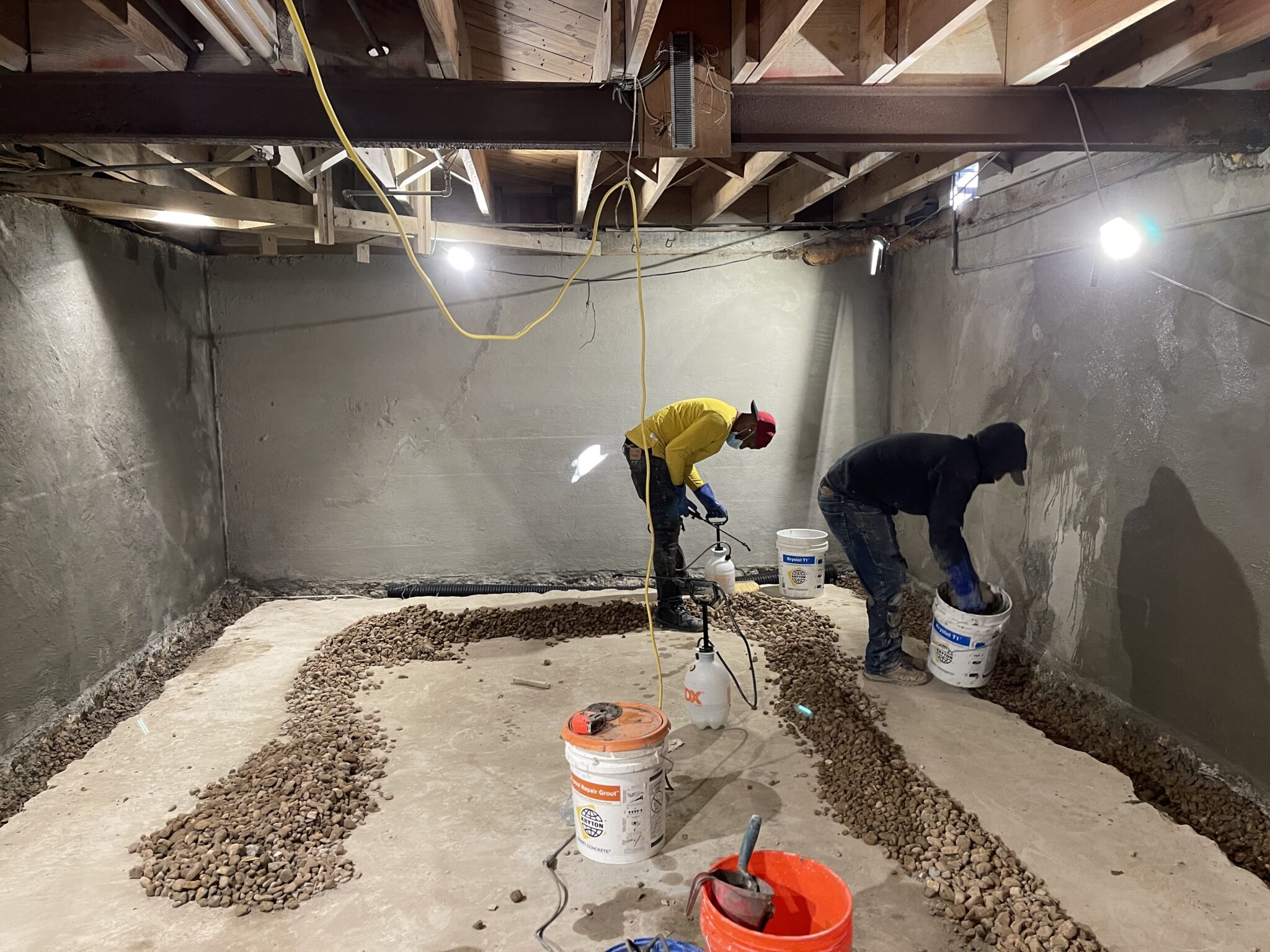
Basements are valuable extensions of living space, yet they are also the most vulnerable part of a home when it comes to water intrusion. Persistent moisture can lead to mold growth, structural deterioration, and costly repairs. Implementing a comprehensive sealing and waterproofing plan not only protects the foundation but also preserves indoor air quality and property value. The following guide outlines proven methods to achieve a leak-free basement, drawing on industry-tested practices and the latest advancements in moisture control.
Understanding Basement Moisture Issues
Before selecting a solution, it is essential to identify the sources of water that threaten a basement. Common contributors include:
- Groundwater pressure during heavy rain or snow melt.
- Hydrostatic pressure from saturated soil surrounding the foundation.
- Capillary action pulling moisture through concrete walls and floors.
- Leaks from plumbing fixtures, foundation cracks, or drainage system failures.
Each of these factors requires a tailored approach. For a deeper dive into diagnosing and addressing these problems, Discover expert strategies here.
Key Steps in Sealing a Basement
Sealing creates a barrier that prevents water from penetrating the concrete envelope. The process typically follows these sequential steps:
1. Surface Preparation
- Clean walls and floors to remove dirt, oil, and loose particles.
- Repair visible cracks with hydraulic cement or epoxy filler.
- Allow all repaired areas to cure fully before applying sealants.
2. Application of Sealant
- Choose a high-performance, penetrating sealant designed for below-grade concrete.
- Apply the sealant evenly using a roller or spray system, ensuring full coverage of walls, floors, and joints.
- Follow manufacturer-specified drying times before proceeding to waterproofing layers.
For product recommendations and detailed application guidelines, Learn about our tailored solutions.
Waterproofing Techniques for Long-Term Protection
While sealing blocks moisture entry, waterproofing adds a secondary defense that redirects water away from the foundation. Effective techniques include:
- Exterior Drainage Systems – Installing French drains and perforated pipe around the perimeter to capture and divert groundwater.
- Interior Drainage Mats – Placing a dimpled membrane on the interior floor to channel water toward a sump pump.
- Coating Systems – Applying elastomeric or cementitious waterproof coatings that flex with concrete movement.
- Positive-Side Waterproofing – Using sealants that bond directly to the interior concrete surface, creating a watertight layer.
Choosing the right combination depends on site conditions, budget, and long-term maintenance goals. Detailed comparisons and case studies are available at Explore advanced guides and tips.
Maintenance and Monitoring
Even the most robust sealing and waterproofing system benefits from regular inspection. Ongoing care helps detect early signs of failure and extends the lifespan of the protection measures.
Routine Checks
- Inspect interior walls for discoloration, efflorescence, or damp spots.
- Test sump pump operation before the rainy season.
- Verify that exterior drainage outlets remain clear of debris.
- Monitor humidity levels with a digital hygrometer; aim for 30-50% relative humidity.
Prompt Repairs
- Seal new cracks immediately using appropriate hydraulic cement.
- Reapply sealant to areas where wear or peeling is observed.
- Service the sump pump annually to ensure reliable performance.
For a checklist of maintenance tasks and recommended inspection intervals, Find out more about this approach.
Conclusion
Achieving a leak-free basement requires a systematic blend of thorough sealing, strategic waterproofing, and diligent maintenance. By understanding moisture sources, preparing surfaces correctly, applying high-quality sealants, and integrating effective drainage solutions, homeowners can safeguard their foundations against water damage for years to come. Leveraging the expertise found in specialized resources ensures that each step aligns with best practices, ultimately delivering a dry, healthy, and valuable basement space.