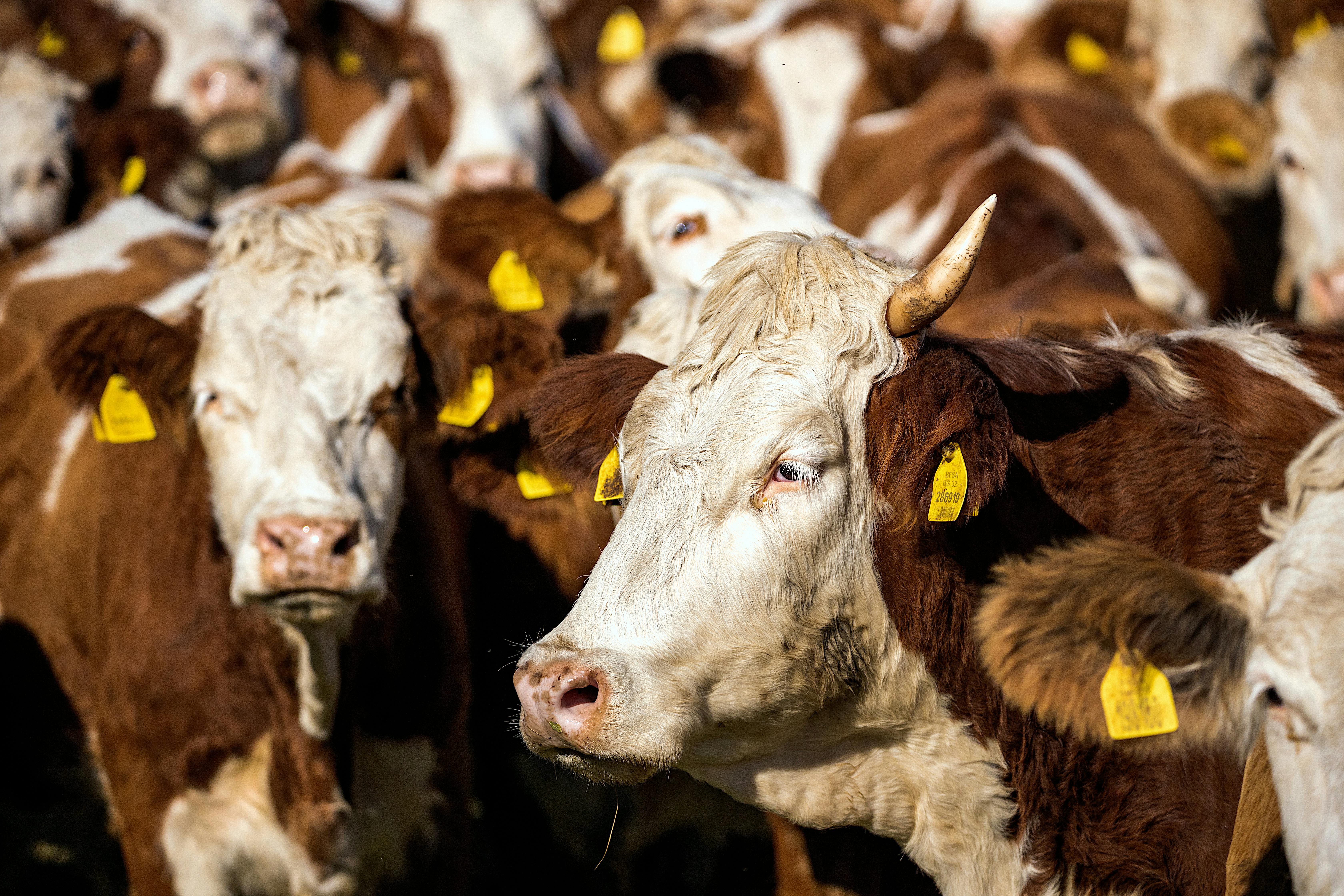
European beef production stands at the intersection of tradition, innovation, and responsibility. Consumers increasingly demand meat that is not only safe and high-quality but also produced with respect for the environment and animal welfare. Meeting these expectations requires a coordinated effort across the supply chain, from farm-level practices to regulatory oversight and transparent communication. By integrating rigorous standards with sustainable technologies, the sector can secure long-term viability while preserving the natural resources that underpin European agriculture.
Regulatory Framework and Compliance
The European Union has established a comprehensive set of regulations that guide every aspect of beef production. These rules cover animal health, feed safety, environmental impact, and labeling requirements, ensuring that meat reaching the market meets uniform standards across member states.
Key Legislative Pillars
- EU Animal Welfare Directive – Sets minimum conditions for housing, handling, and transport of cattle.
- Regulation (EU) No”?2017/625 – Governs official controls and audits to verify compliance with food safety and animal health rules.
- EU Green Deal – Encourages reduction of greenhouse-gas emissions and promotes circular agriculture.
Stakeholders seeking deeper insight can Discover expert strategies here. The portal provides detailed guidance on aligning farm operations with the latest EU directives.
Sustainable Farming Practices
Adopting environmentally responsible methods is essential for maintaining soil health, reducing carbon footprints, and preserving biodiversity. Modern European farms are turning to precision agriculture, regenerative grazing, and integrated crop-livestock systems to achieve these goals.
- Precision Feeding – Utilises data-driven nutrition plans to minimise waste and lower methane emissions.
- Rotational Grazing – Allows pastures to recover, enhancing carbon sequestration and biodiversity.
- Agro-forestry Buffers – Planting trees along field edges provides wind protection, habitat, and additional carbon storage.
For practical implementation advice, Learn about our tailored solutions. The resource outlines step-by-step approaches that fit farms of varying size and capacity.
Animal Welfare Standards
Ensuring the well-being of cattle is both an ethical imperative and a quality driver. High welfare standards lead to healthier animals, better growth rates, and superior meat characteristics.
- Provision of comfortable bedding and adequate space.
- Minimisation of stressful handling through staff training and low-stress equipment.
- Regular health monitoring and prompt veterinary intervention.
Detailed protocols on welfare assessment can be Explore advanced guides and tips. These documents illustrate best-practice benchmarks used by leading producers.
Traceability and Consumer Confidence
Transparent supply chains empower consumers to make informed choices and reinforce trust in European beef. Digital tools such as blockchain, QR codes, and centralized databases enable real-time tracking from birth to plate.
- Batch-level Identification – Links each carcass to its farm of origin, feeding regime, and health records.
- Digital Certification – Provides instant verification of compliance with sustainability and welfare criteria.
- Consumer-Facing Platforms – Allow shoppers to scan labels and view the full production story.
Industry participants can Find out more about this approach. The site hosts case studies that demonstrate how traceability enhances market access and brand reputation.
Future Outlook and Innovation
The next decade will be defined by continued investment in research, technology, and collaborative policy. Emerging trends include the use of alternative proteins in feed, methane-reducing feed additives, and AI-driven herd management.
- Feed Innovation – Incorporating seaweed extracts and legumes to cut emissions.
- Smart Sensors – Monitoring animal health metrics in real time for early disease detection.
- Carbon Accounting Tools – Quantifying and reporting emissions at the farm level to meet EU climate targets.
Stakeholders interested in staying ahead of these developments are encouraged to regularly visit the European Beef & Lamb platform, where up-to-date research, policy briefs, and collaborative opportunities are readily available.