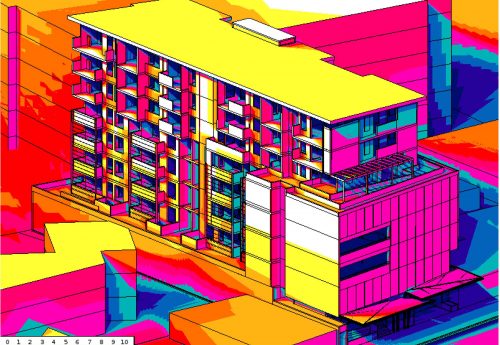
Landscape planning and design are critical components in developing functional, sustainable, and aesthetically pleasing outdoor spaces. The process involves a meticulous approach to integrating natural elements with human needs, requiring a balance of creativity and technical acumen. As the demand for innovative and efficient landscape solutions grows, streamlining the planning and design processes becomes imperative. This involves adopting new technologies, refining methodologies, and fostering collaborative efforts to enhance productivity and outcome quality.
Understanding Landscape Planning and Design
Landscape planning involves the strategic arrangement of outdoor spaces to meet specific objectives, such as improving ecological health, enhancing aesthetic appeal, and accommodating recreational activities. Design, on the other hand, focuses on the creative and technical aspects of implementing these plans into tangible forms. Together, these processes shape the environment to better serve both human and ecological purposes.
Key Elements of Effective Landscape Planning
- Site Analysis: Understanding the site’s existing conditions, including topography, soil type, climate, and vegetation.
- Design Conceptualization: Developing a vision that aligns with the client’s objectives and environmental considerations.
- Resource Management: Efficient use of materials and labor to ensure sustainability and cost-effectiveness.
- Implementation Strategy: Creating detailed plans for executing the design, including timelines and budget allocations.
Technological Innovations in Landscape Design
The integration of technology in landscape planning has revolutionized how designers conceptualize and execute projects. Leveraging digital tools can significantly enhance precision, creativity, and efficiency. For detailed insights into how technology is reshaping these processes, read more about this topic.
Benefits of Using Digital Tools
- Enhanced Visualization: Software tools allow for the creation of detailed 3D models, providing a realistic preview of the final outcome.
- Improved Collaboration: Online platforms facilitate better communication and coordination among stakeholders.
- Efficient Planning: Automated tools assist in accurate measurements and data analysis, streamlining the planning phase.
Strategies for Streamlining Processes
Streamlining landscape planning and design involves adopting methods that reduce time, cost, and resource consumption while maintaining high-quality outcomes. Explore further insights here to discover strategies that professionals are implementing to enhance their workflows.
Adopting Lean Practices
Lean practices focus on minimizing waste without compromising quality. This can be achieved by:
- Identifying and eliminating non-value-adding activities in the design process.
- Standardizing repetitive tasks to enhance efficiency and reduce errors.
- Continuously assessing and improving processes based on feedback and outcomes.
Enhancing Communication and Collaboration
Effective communication is crucial in ensuring that all stakeholders are aligned with the project’s objectives and timelines. Techniques to foster better collaboration include:
- Regular meetings and updates to keep all parties informed.
- Utilizing collaborative platforms for real-time feedback and adjustments.
- Establishing clear roles and responsibilities to avoid overlaps and confusion.
For more on optimizing communication in landscape design projects, find additional information here.
Conclusion
Streamlining landscape planning and design processes is essential to meet the growing demands for innovative, sustainable, and cost-effective outdoor spaces. By embracing technological advancements, adopting lean practices, and enhancing collaboration, professionals can achieve more efficient and successful project outcomes. As the industry continues to evolve, staying informed and adaptable will be key to maintaining a competitive edge. Learn more in this detailed guide to stay updated with the latest trends and techniques.