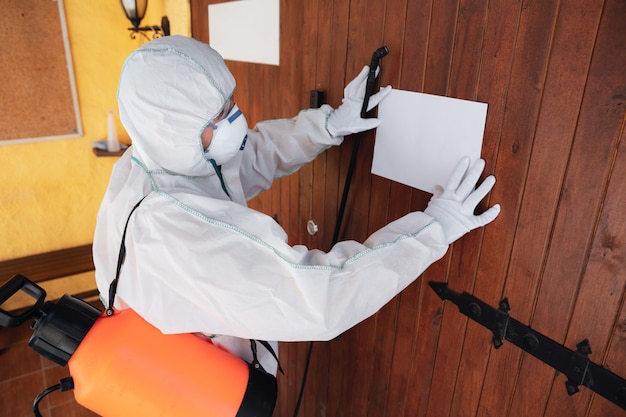
Mold is a common issue that can significantly impact the health and safety of residential and commercial spaces. Professional mold testing specialists play a crucial role in identifying and resolving mold problems before they worsen. By leveraging advanced techniques and tools, these specialists ensure that environments are safe for inhabitants. Understanding the importance of professional mold testing and the expertise these specialists bring can help individuals make informed decisions when dealing with potential mold issues.
The Importance of Professional Mold Testing
Mold testing is essential in identifying the presence of mold spores in an environment, which can lead to health problems such as allergies, respiratory issues, and other serious conditions. Professional mold testing specialists use advanced equipment and methodologies to detect mold accurately and provide comprehensive analysis and recommendations. Discover expert strategies here to learn about effective mold testing approaches.
Benefits of Hiring Professional Mold Testing Specialists
- Accurate Detection: Professionals use state-of-the-art technology to detect hidden mold that may not be visible to the naked eye.
- Comprehensive Reports: Detailed reports provide information on mold types, concentration levels, and potential health impacts.
- Tailored Solutions: Specialists offer recommendations tailored to the specific mold situation, ensuring effective remediation.
- Health Protection: Identifying and addressing mold issues early can prevent health complications for building occupants.
Techniques Used by Mold Testing Specialists
Mold testing specialists employ various techniques to ensure thorough examination and accurate results. These techniques help to identify not only the presence but also the extent of mold infestation.
Common Testing Methods
- Air Sampling: This method involves collecting air samples to measure mold spore concentration in the environment.
- Surface Testing: Swabs or tapes are used to collect samples from surfaces suspected of mold growth.
- Bulk Testing: Portions of building materials are removed and analyzed to assess mold contamination levels.
- Moisture Mapping: Specialists use moisture meters to detect damp areas that may foster mold growth.
Learn about our tailored solutions and how these methods are applied in different scenarios here.
When to Contact a Mold Testing Specialist
Recognizing the signs that indicate the need for professional mold testing is crucial. Early detection can save time and resources while protecting health.
Signs of Mold Issues
- Visible Mold Growth: Any visible mold should be a trigger for testing, regardless of the size.
- Musty Odors: Persistent musty smells often indicate hidden mold.
- Health Symptoms: If occupants experience unexplained allergies or respiratory issues, mold could be the culprit.
- Water Damage History: Buildings with past water damage are more susceptible to mold growth.
Find out more about this approach and when it’s most appropriate to seek professional assistance by visiting this resource.
Conclusion
Professional mold testing specialists are invaluable in maintaining the health and safety of living and working environments. Their expertise in detecting and analyzing mold problems ensures that appropriate actions are taken to mitigate risks. By understanding when to seek professional assistance and what to expect from the process, property owners can effectively manage mold issues. Explore advanced guides and tips to stay informed and ensure a healthy environment for all occupants.