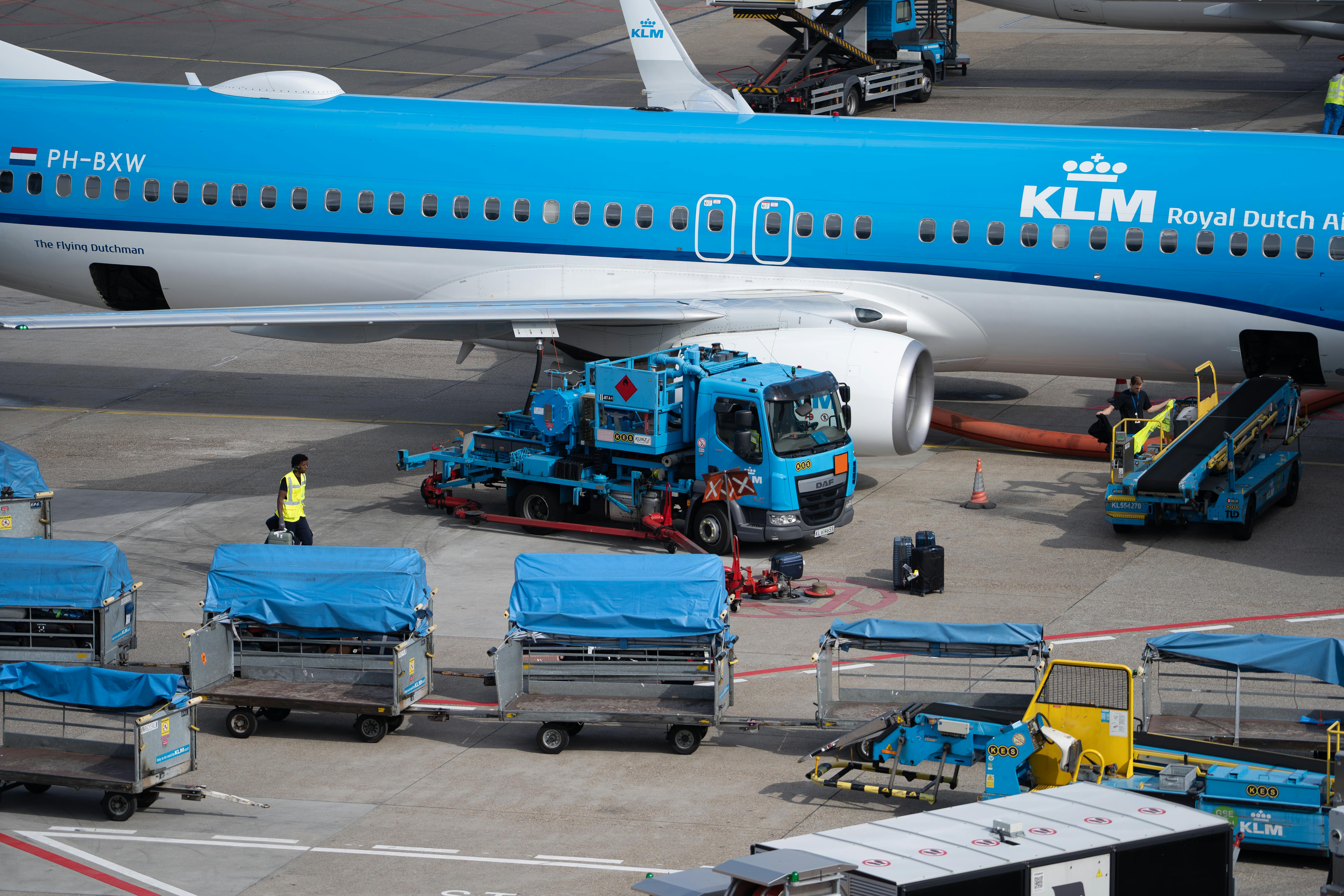
The aviation industry is a complex network of operations, with logistics playing a pivotal role in ensuring smooth and efficient functioning. For airlines, managing logistics effectively is crucial for maintaining schedules, optimizing cargo capacity, and reducing operational costs. Simplifying aviation logistics services is not just about streamlining operations but also about enhancing safety, compliance, and customer satisfaction. This article explores the key aspects of aviation logistics services and how they can be optimized for better performance.
Understanding Aviation Logistics Services
Aviation logistics encompasses a wide range of services and activities that are essential for the smooth running of airline operations. These include:
- Freight Management: Ensuring efficient cargo handling and transportation.
- Supply Chain Coordination: Integrating various operational elements from suppliers to end-users.
- Maintenance, Repair, and Overhaul (MRO): Keeping aircraft in optimal flying condition.
- Ground Handling Services: Managing passengers, baggage, and aircraft servicing at airports.
For more detailed insights into these services, read more about this topic.
Challenges in Aviation Logistics
Operational Efficiency
One of the primary challenges in aviation logistics is achieving operational efficiency. Airlines must ensure that their fleets are utilized to the maximum without compromising on safety and punctuality. This requires:
- Real-time data integration for effective decision-making.
- Optimizing routes and schedules to reduce fuel consumption and emissions.
- Implementing advanced technologies for tracking and managing logistics operations.
To explore further insights into overcoming these challenges, learn more in this detailed guide.
Regulatory Compliance
The aviation industry is heavily regulated, and compliance is non-negotiable. Airlines need to adhere to various international and local regulations that govern safety, security, and environmental standards. Key compliance areas include:
- Adhering to aviation safety regulations and protocols.
- Ensuring environmental standards are met to reduce carbon footprint.
- Maintaining accurate records for audits and inspections.
Compliance can be complex, but effective logistics management can simplify these processes. Explore further insights here.
Strategies for Simplifying Aviation Logistics
Technology Integration
Incorporating advanced technologies is crucial for simplifying logistics operations. Technologies such as IoT, AI, and blockchain can significantly enhance efficiency by:
- Automating routine tasks and reducing manual errors.
- Providing real-time tracking and monitoring of assets.
- Enhancing predictive maintenance capabilities for aircraft.
For more on how technology is transforming aviation logistics, find additional information here.
Collaborative Partnerships
Building strong partnerships with service providers and stakeholders can streamline logistics processes. Collaborative efforts can lead to:
- Shared resources and infrastructure for cost savings.
- Better coordination across the supply chain.
- Enhanced service offerings to meet evolving customer needs.
Collaboration is key to evolving with the industry’s demands. To learn more about collaboration benefits, explore available resources.
Conclusion
Aviation logistics services are an integral part of airline operations, impacting everything from operational efficiency to regulatory compliance. By understanding and addressing the challenges, integrating cutting-edge technologies, and fostering collaborative partnerships, airlines can simplify these logistics processes. This not only enhances operational performance but also ensures a competitive edge in an ever-evolving industry landscape. For further details on optimizing aviation logistics, explore further insights here.